

About Us
About Porbandar
Porbandar is a historic and serene coastal city situated along the shores of the Arabian Sea in Gujarat, renowned for its profound historical legacy, spiritual roots, and its role as a pivotal maritime gateway. Best known globally as the birthplace of Mahatma Gandhi, Porbandar has evolved from an ancient trading port into a significant center of pilgrimage, culture, and maritime commerce.
Once known as Sudamapuri, the city is steeped in mythology as the home of Sudama, the devoted friend of Lord Krishna, making it a unique destination where history and legend intertwine. Today, Porbandar attracts scholars, peace-seekers, and travelers eager to experience its “White City” architecture, its tranquil coastline, and its enduring spiritual heritage.
Glance Of Porbandar
Area
38.43 km²
Population
2,26,000+
Spoken Language
Gujarati, Hindi, English
Economy
₹4,500 + crore
Why Porbandar
The Birthplace of Non-Violence
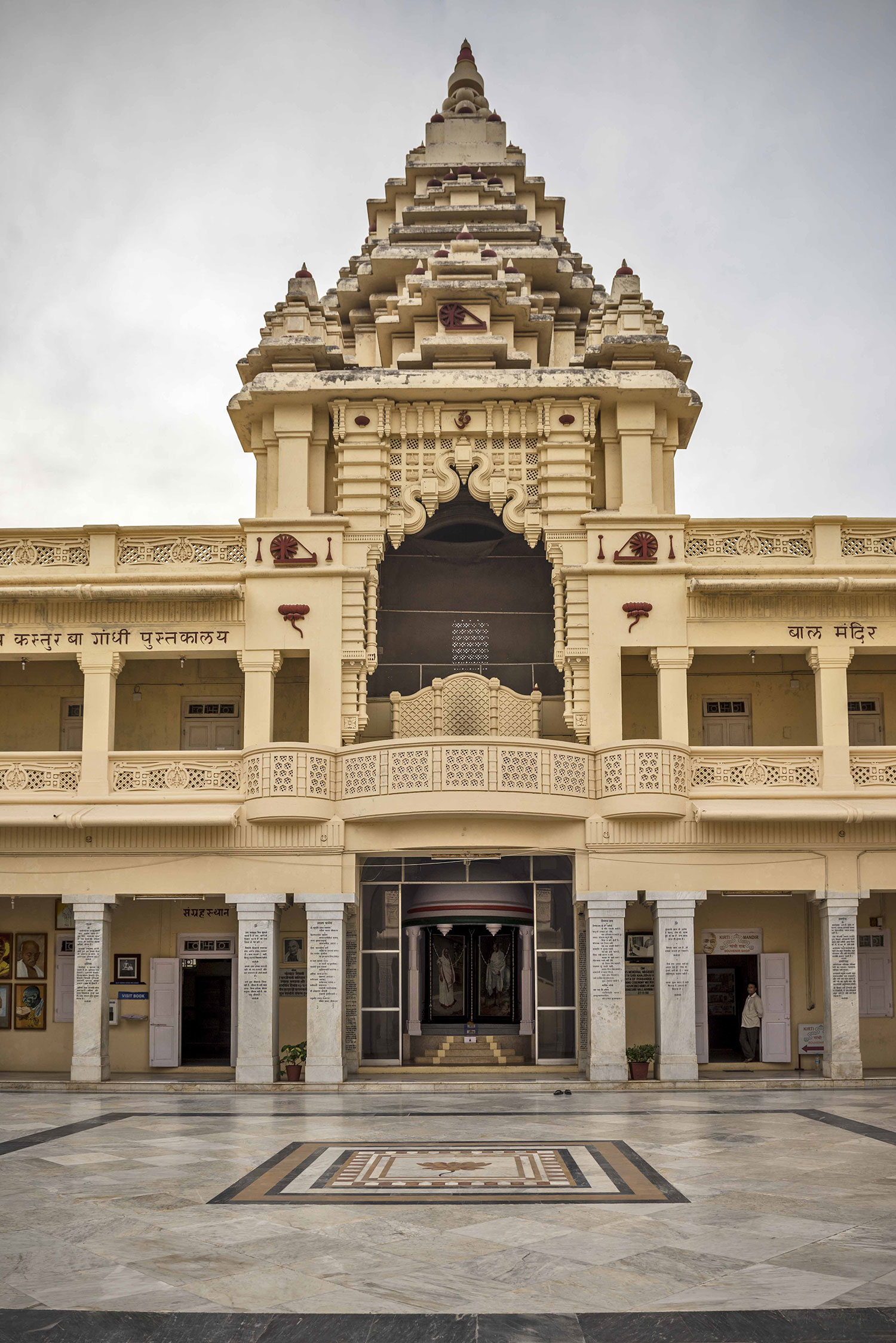
Porbandar’s greatest gift to the world is the legacy of Mahatma Gandhi. Walking through the narrow lanes to Kirti Mandir, the house where he was born, is a pilgrimage into the origins of a philosophy that changed history. The city preserves the simplicity and values of "Bapu," offering a peaceful space for reflection on truth and peace.
An Ancient Maritime Gateway
Porbandar’s story begins long before the modern era. With archaeological links to the Late Harappan civilization, it has been a center of maritime trade for over 3,500 years. Today, it remains a vital "all-weather" port, blending its ancient sea-faring traditions with a modern economy of cement, chemicals, and one of India’s largest fishing fleets.
The "White City" Charm
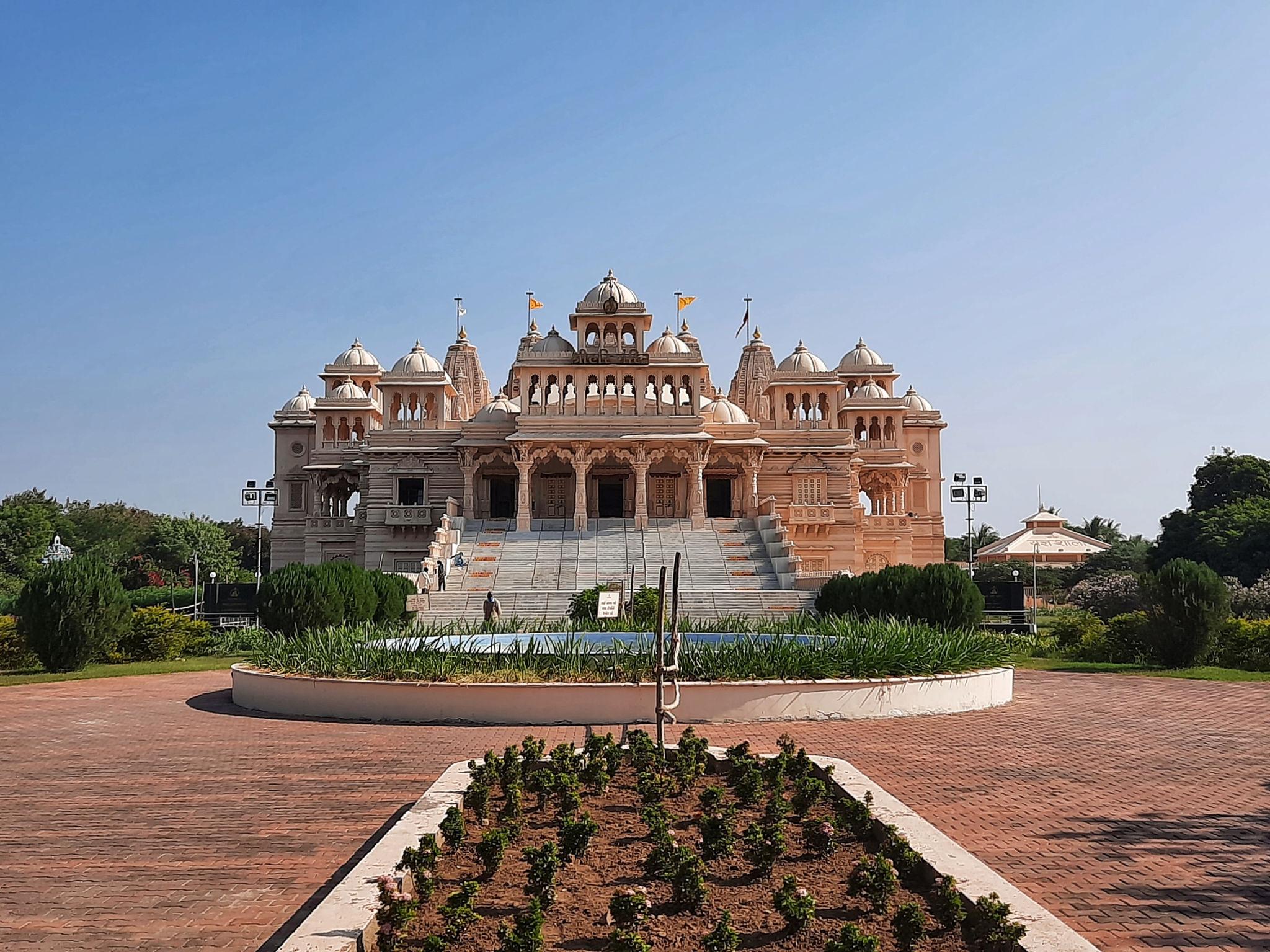
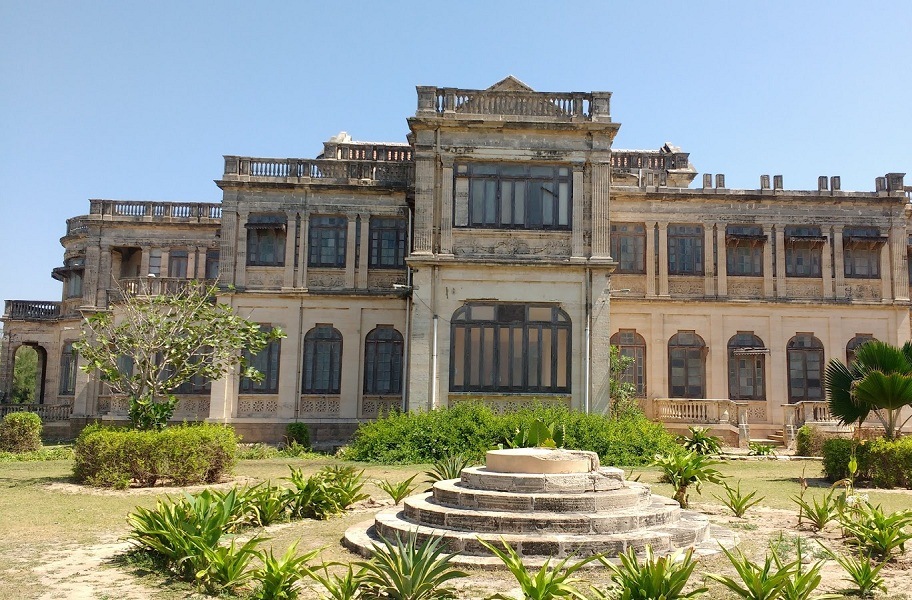
Porbandar is aesthetically unique due to the extensive use of Porbandar Stone (milolite limestone). The city’s architecture—from the royal Huzoor Palace to the local markets—glows with a pale, elegant hue, earning it the nickname "The White City." It is a place where royal heritage, Gujarati hospitality, and coastal serenity meet.
Geography & Nature
Porbandar is a picturesque coastal city located on the western edge of Gujarat, gracefully bordered by the vast Arabian Sea. Its seaside setting gives the city a refreshing maritime climate, where gentle sea breezes and open horizons shape everyday life.
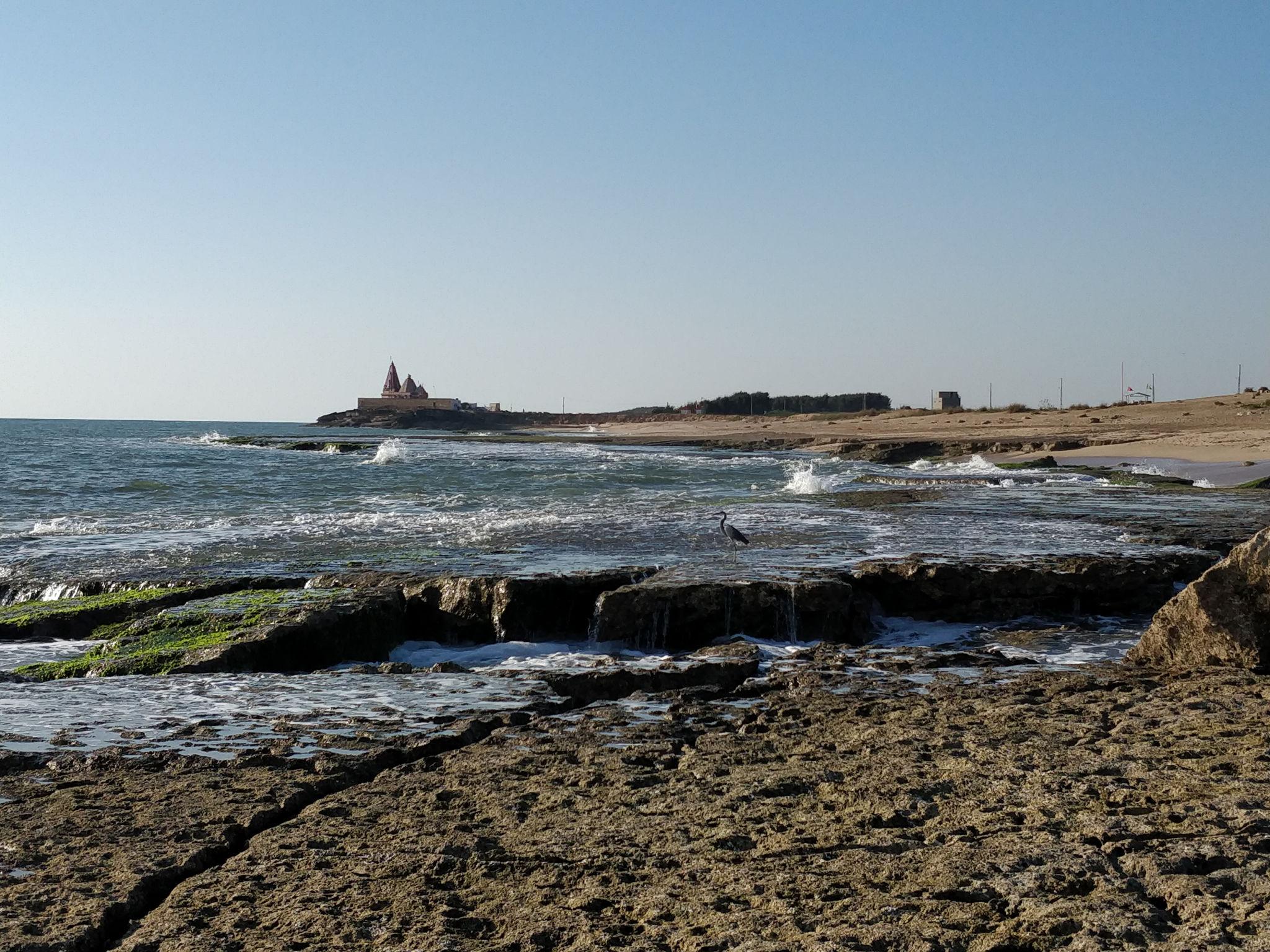
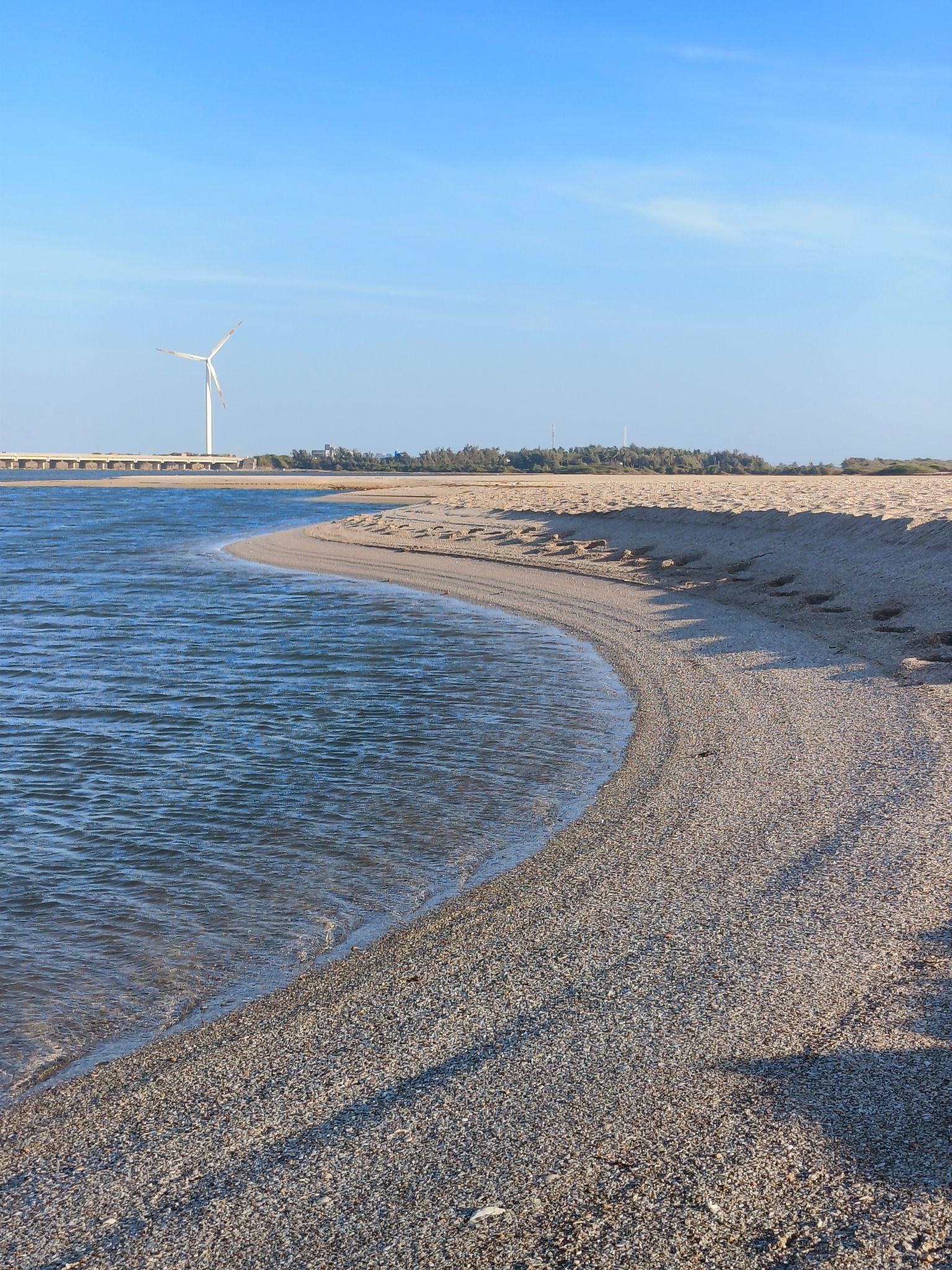
The coastline of Porbandar is marked by rocky shores, calm beaches, and scenic sunset views that create a peaceful natural atmosphere. These coastal landscapes not only enhance the city’s beauty but also support fishing communities and marine biodiversity that have sustained the region for generations.
One of the city’s natural highlights is the Porbandar Bird Sanctuary, a rare wetland ecosystem located near the heart of the city. Despite its compact size, it attracts a variety of migratory and resident birds, making it a quiet haven for nature lovers and birdwatchers.
Culture & People
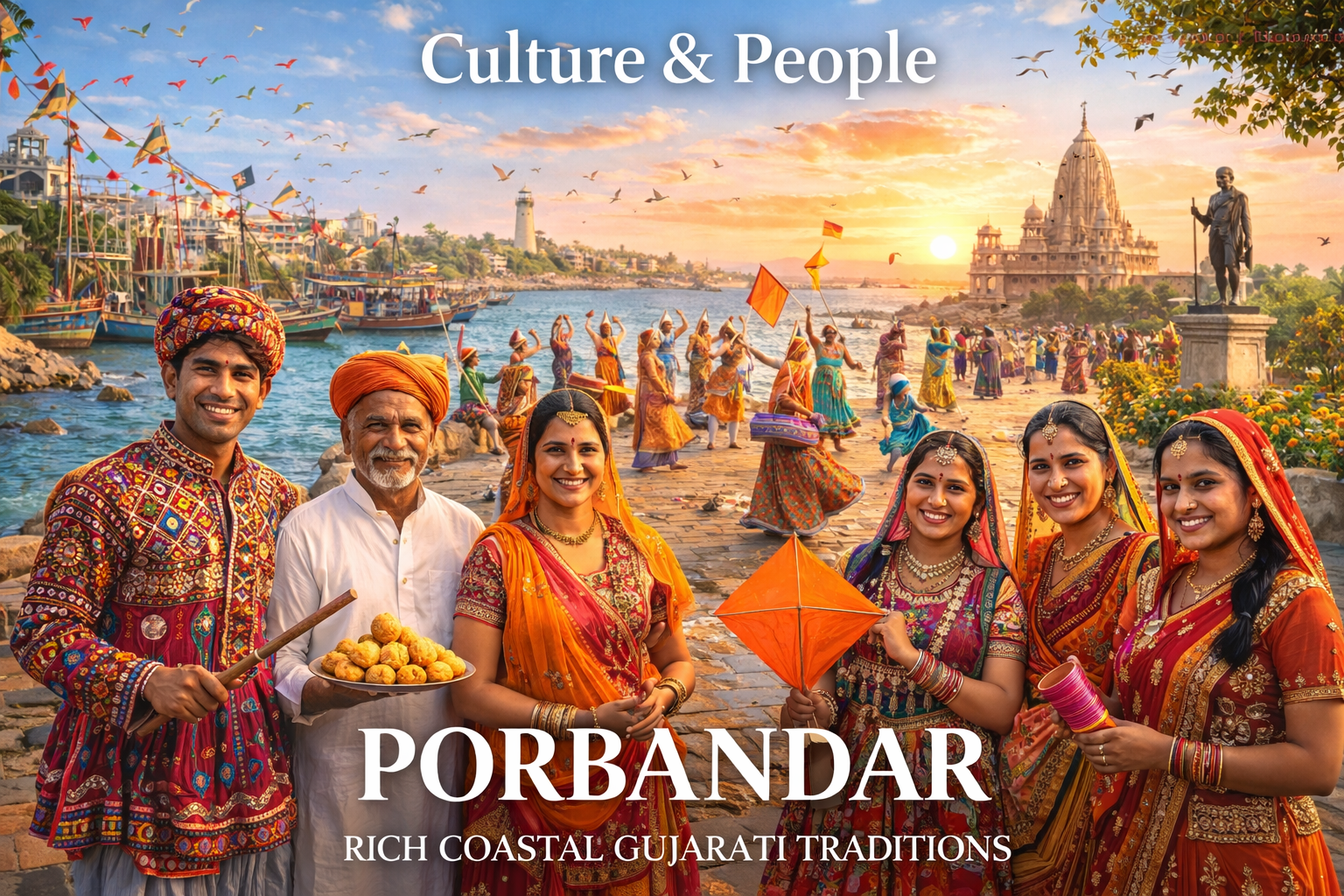
Porbandar is known not just for its history and coastline, but for the warmth, simplicity, and resilience of its people. The culture here reflects a beautiful blend of coastal traditions, Gujarati heritage, and Gandhian values, shaping a community that is welcoming and grounded.
The people of Porbandar are deeply connected to their roots. Gujarati language, customs, and values form the backbone of everyday life, while festivals bring the city alive with colors, music, and devotion. Celebrations like Navratri, Janmashtami, Diwali, and Uttarayan are observed with great enthusiasm, uniting families and neighborhoods in joy.
Porbandar’s coastal lifestyle influences its daily rhythm. Fishing communities play a vital role in the local economy and culture, passing down traditions through generations. Simple living, mutual respect, and strong family bonds are hallmarks of the city’s social fabric.
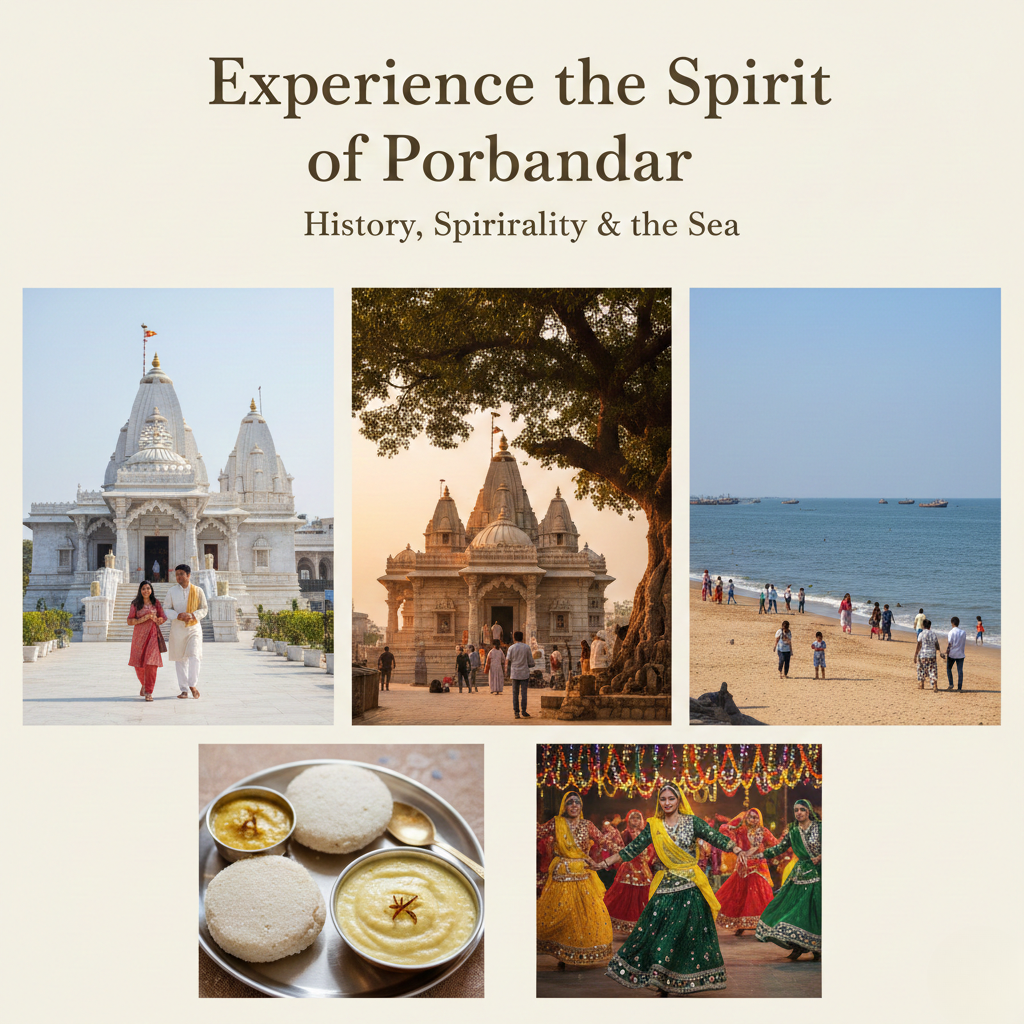
The Soul of Porbandar
Sudama Temple
Kirti Mandir
Chowpati Beach
Arabian Sea Coast
Gandhi Heritage
Huzoor Palace
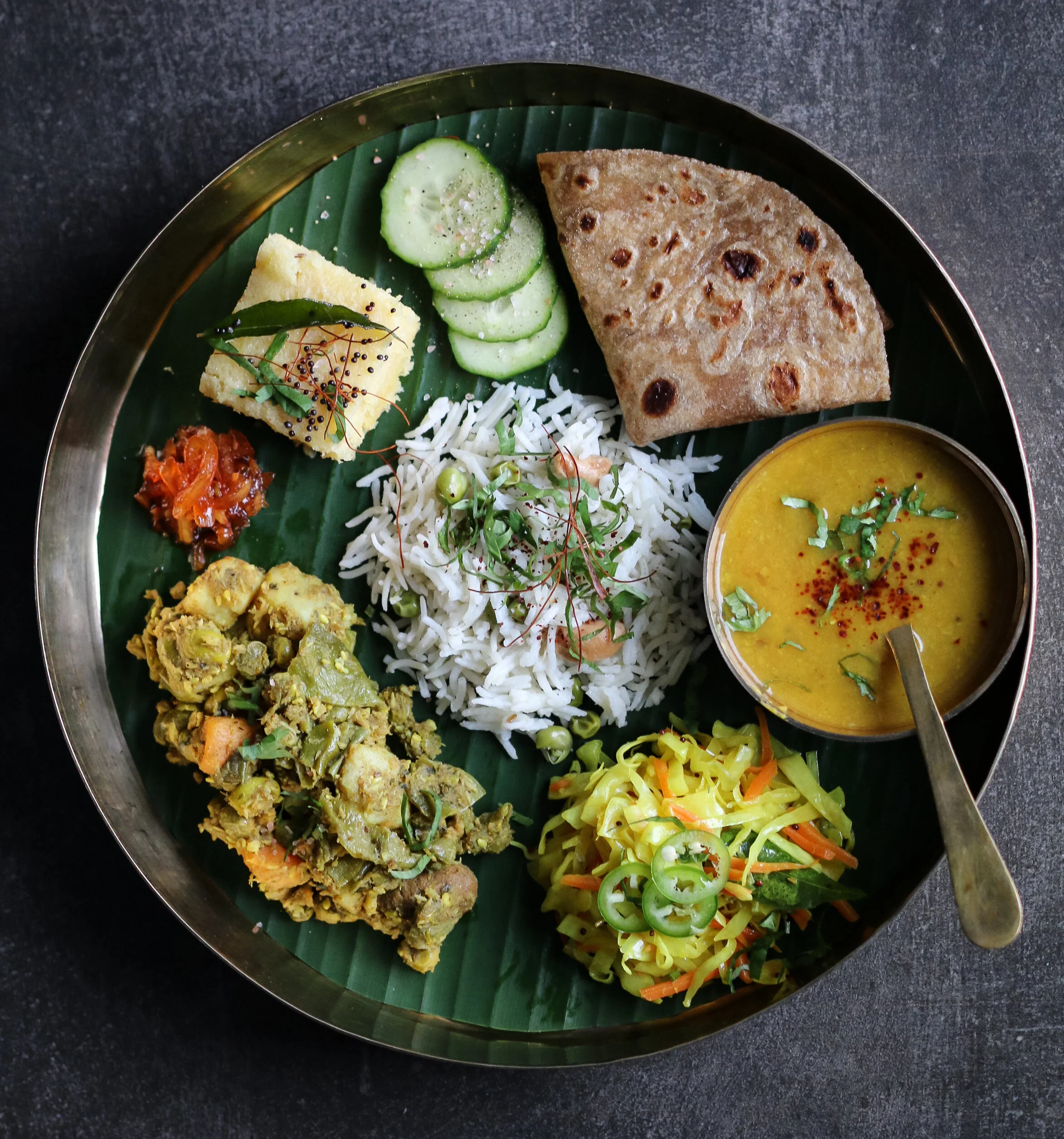
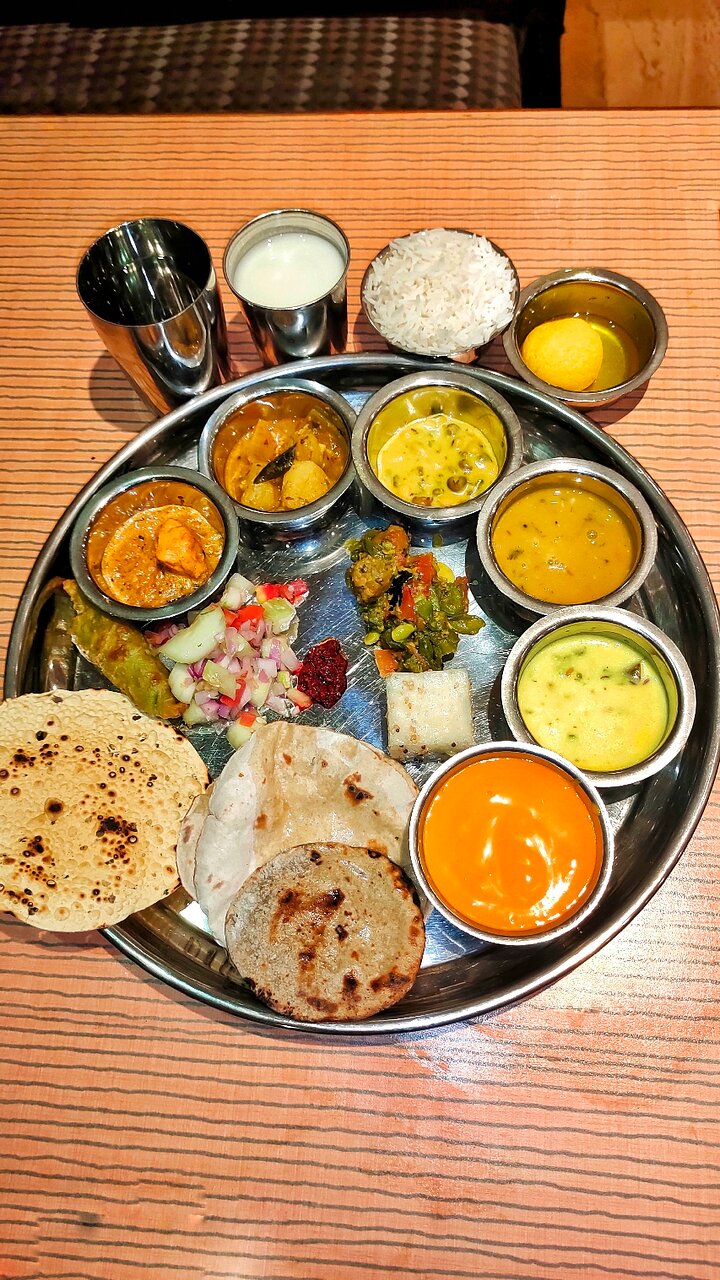
Gujarati Thali
Kathiyawadi Cuisine
Bandhani Textiles
Local Handicrafts
Frequently Asked Questions
Why is Porbandar called the "White City"?
Porbandar earned this nickname because most of its traditional buildings and monuments are constructed using milolite limestone (locally known as Porbandar Stone). This high-quality, creamy-white stone gives the city a distinct, shimmering elegance, especially when seen from the coast.
What is the historical significance of Kirti Mandir?
Kirti Mandir is the memorial built in honor of Mahatma Gandhi. It is located right next to the ancestral house where he was born in 1869. The temple’s height (79 feet) represents the 79 years of Gandhi’s life. Visitors can see the exact spot of his birth, his childhood reading room, and an extensive gallery of his life’s work.
Why is the city also called "Sudamapuri"?
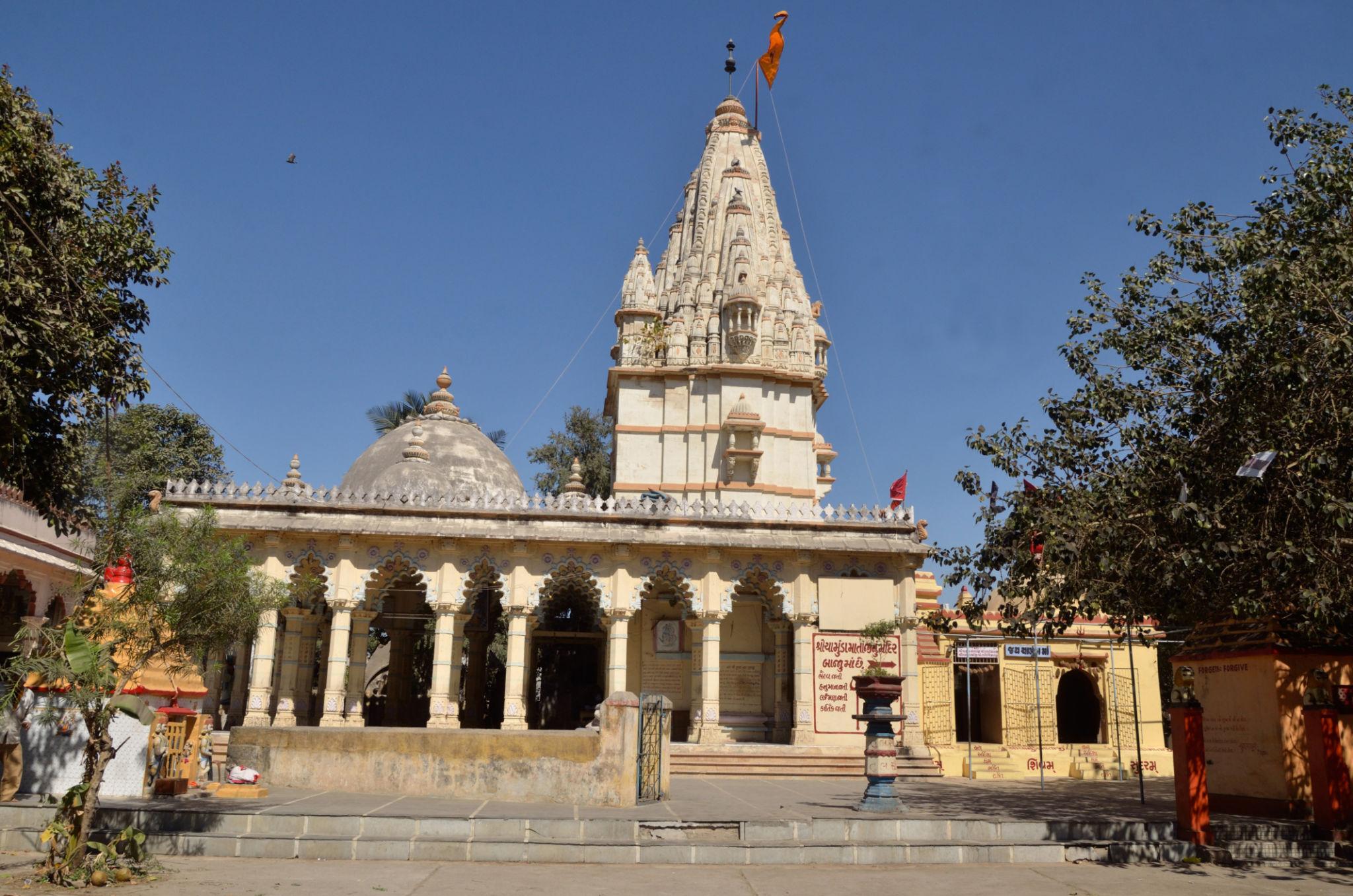
In Hindu mythology, Porbandar is the birthplace of Sudama, the devoted childhood friend of Lord Krishna. The Sudama Mandir in the heart of the city is the only major temple in India dedicated to him, celebrating the values of true friendship and humility.
Is Porbandar a good destination for nature lovers?
Absolutely! It is home to the Porbandar Bird Sanctuary, one of the few sanctuaries in India located within city limits, where you can see Flamingos and Pelicans. Additionally, the Barda Hills Wildlife Sanctuary nearby offers great trekking and wildlife spotting.
What is the legend behind the Jambuvan Caves?
Located about 15 km from the city, these deep caves are linked to the Ramayana. Legend says this was the residence of Jambuvan (the king of bears), who fought Lord Krishna over a precious diamond here. Today, it’s a mystical site where water droplets from the cave ceiling naturally form a Shivling on the ground.
Can I visit the grand Huzoor Palace?
The Huzoor Palace is a magnificent 20th-century structure with Indo-European architecture and sprawling gardens facing the sea. While it is the current residence of the descendants of the Maharaja and entry to the interiors is generally restricted, tourists can admire its stunning “White City” facade from the outside and enjoy the surrounding Marine Drive area.
What makes the Madhavpur Fair so special?
Held annually at Madhavpur Ghed (near Porbandar), the Madhavpur Fair celebrates the mythological marriage of Lord Krishna and Princess Rukmini. It is a unique cultural bridge between Western India and the Northeast, as Rukmini is believed to have been from the Mishmi Tribe of Arunachal Pradesh. It features vibrant folk dances like Raas and Garba.